
Restaurant Scenting Without Fighting the Kitchen
Discover how to balance ambient scenting in restaurants. Learn where to diffuse fragrance, avoid culinary clashes, and enhance the guest experience.
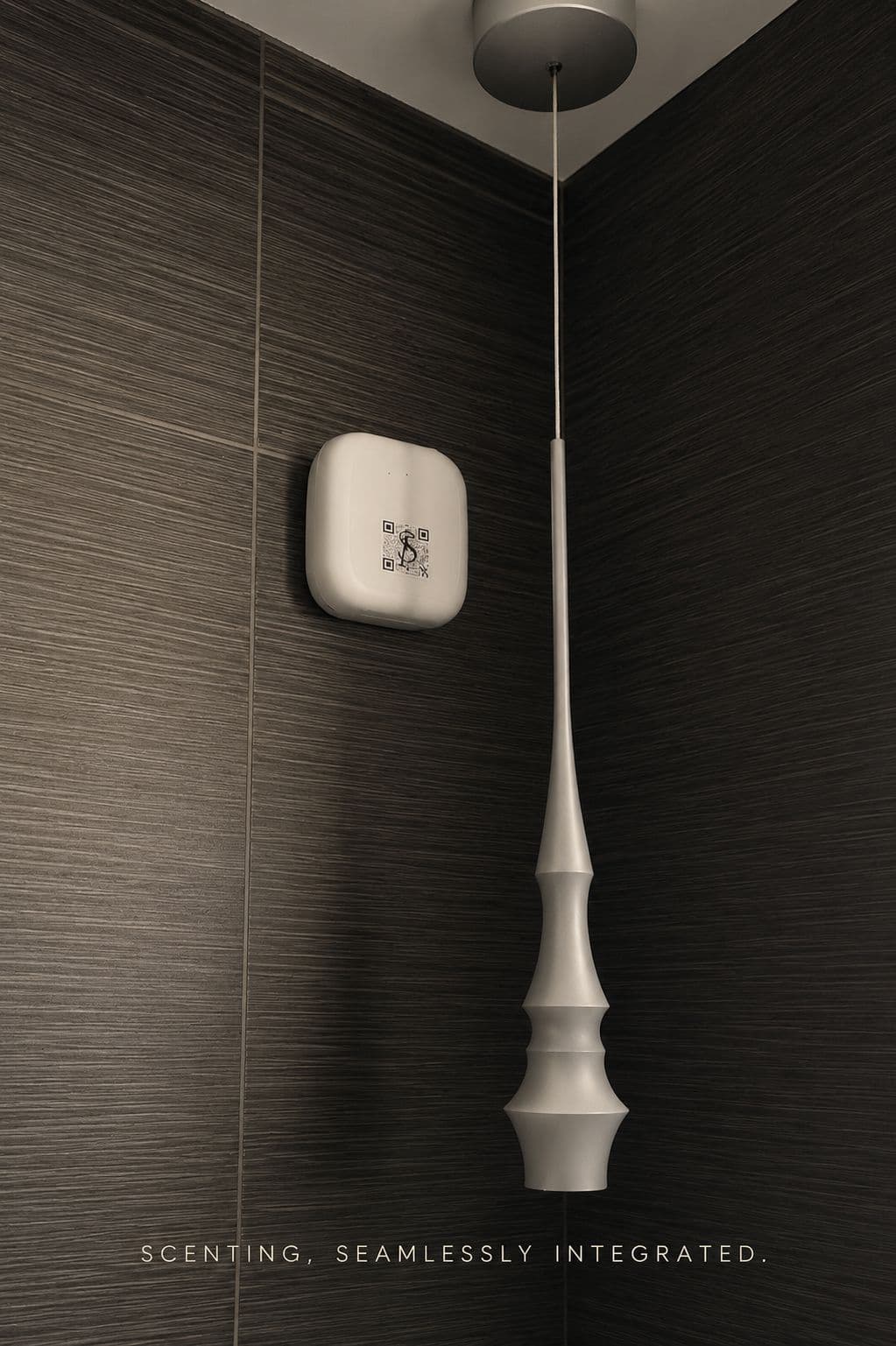
Creating an immersive atmosphere in hospitality requires thoughtful attention to every sensory detail, from lighting and acoustics to ambient scent. However, dining environments present a distinct challenge: the food must always remain the hero. Overpowering the dining room with synthetic or heavy aromas risks clashing with culinary creations, yet leaving spaces unaddressed can make an entryway feel flat.
Implementing a commercial scent strategy is not about masking kitchen creations. Instead, it is about framing the guest journey so that ambient fragrance supports hospitality without competing with the plate.
Scent Belongs at the Threshold
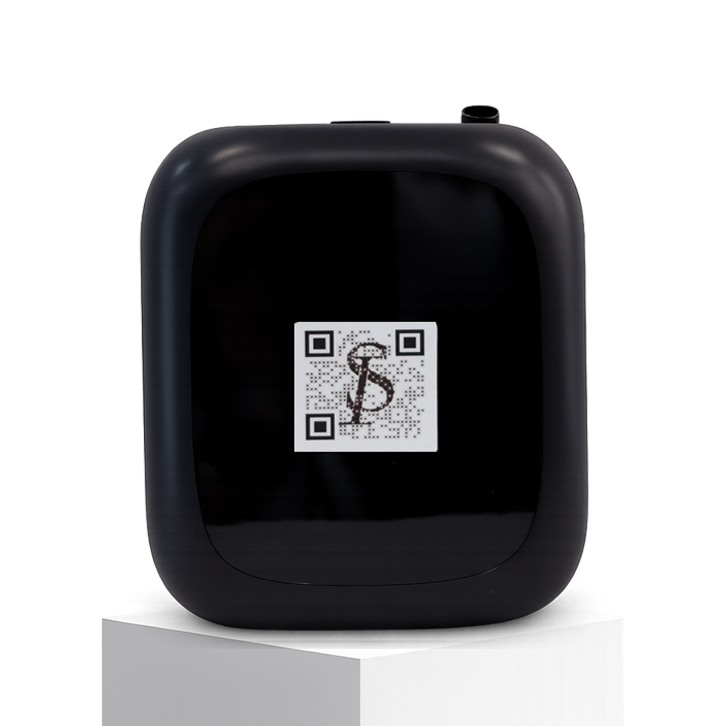
iscent mini
The most effective placement for ambient diffusion in a restaurant is at the entryway, foyer, or host stand. This initial threshold serves as the transitional space between the outside street and the dining room. Here, a curated aroma establishes a polished first impression and welcomes guests before their palate engages with the menu.
Using an adaptable unit like the iScent mini in transitional entry zones allows management to project a subtle signature aroma right at the door. By keeping this diffusion isolated from the main seating floor, you introduce an inviting atmosphere without interfering with the aromas drifting from the pass.
Choose Notes That Agree with Food
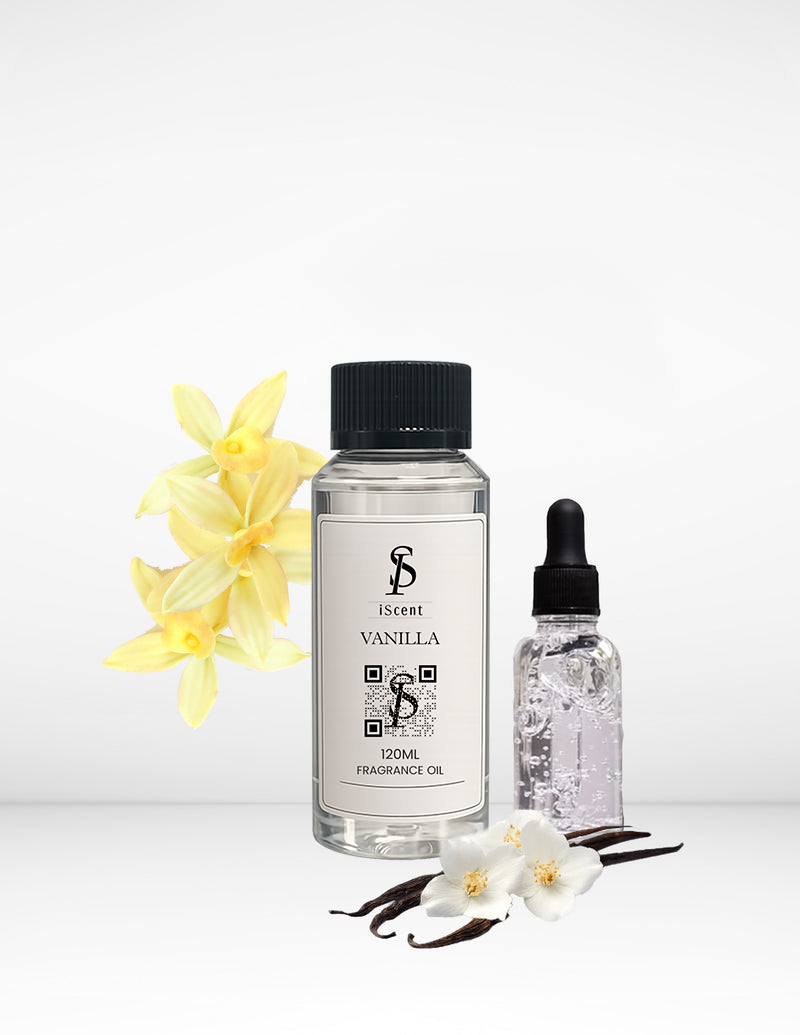
Vanilla
When introducing fragrance to hospitality venues, note selection demands extra care. Floral perfumes, heavy musks, or sharp medicinal notes often clash directly with dining. Instead, focus on profiles that either naturally complement culinary environments or fade cleanly into the background.
For spaces connected to cafes, brunch venues, or dessert bars, warm notes like Bakery or gentle accents like Vanilla offer an intuitive, comforting transition that aligns with sweet culinary profiles. In contrast, concepts focused on fresh, light dining often lean toward subtle botanical notes or clean impressions that set a sophisticated tone without leaving a heavy trace on the palate.
Restrooms Deserve Attention
While the main dining floor should remain neutral to allow food aromas to shine, the restroom requires an entirely different approach. Restrooms demand consistent, high-standard scent management to maintain a clean, upscale impression.
Here, fresh profiles work best. Diffusing crisp aromas like Ocean blue - Coastal Fresh Diffuser Oil helps maintain an impression of continuous freshness. Guests immediately notice when a venue's standards are upheld in secondary spaces, and a properly scented restroom reinforces an impression of cleanliness and care throughout the entire establishment.
Schedule Around Service

ocean blu
Timing is just as important as placement. Scenting should not operate at the same intensity all day long. During peak dinner service, when the kitchen is running at full capacity and hot plates are continuously delivered to tables, dining room scent diffusion should be scaled back or kept entirely to entryways.
Take advantage of programmable scheduling to diffuse during pre-service prep, quiet transition periods, or immediately following closing. By scheduling scent around your operational rhythms, you ensure that ambient fragrance complements your service rather than overwhelming it.
Frequently Asked Questions
Can ambient scenting ruin the taste of food?
If diffused too heavily or placed directly over dining tables, strong fragrances can interfere with a guest's olfactory perception of their meal. This is why scenting should be focused on entryways, transition zones, and restrooms.
Where should diffusers be placed in a restaurant?
Diffusers are best placed in the entrance foyer, host stand, waiting lounges, and restrooms. Avoid placing units directly next to active dining tables or food prep areas.
How can restaurants schedule fragrance diffusion?
Commercial diffusers feature programmable schedules that allow you to increase output during arrival hours or slow periods and reduce intensity during peak food service.