
Where to Put a Diffuser (and Where Not To)
Learn the best placement rules for your scent diffuser. Optimize airflow, ideal height, and avoid common placement mistakes for balanced home fragrance.
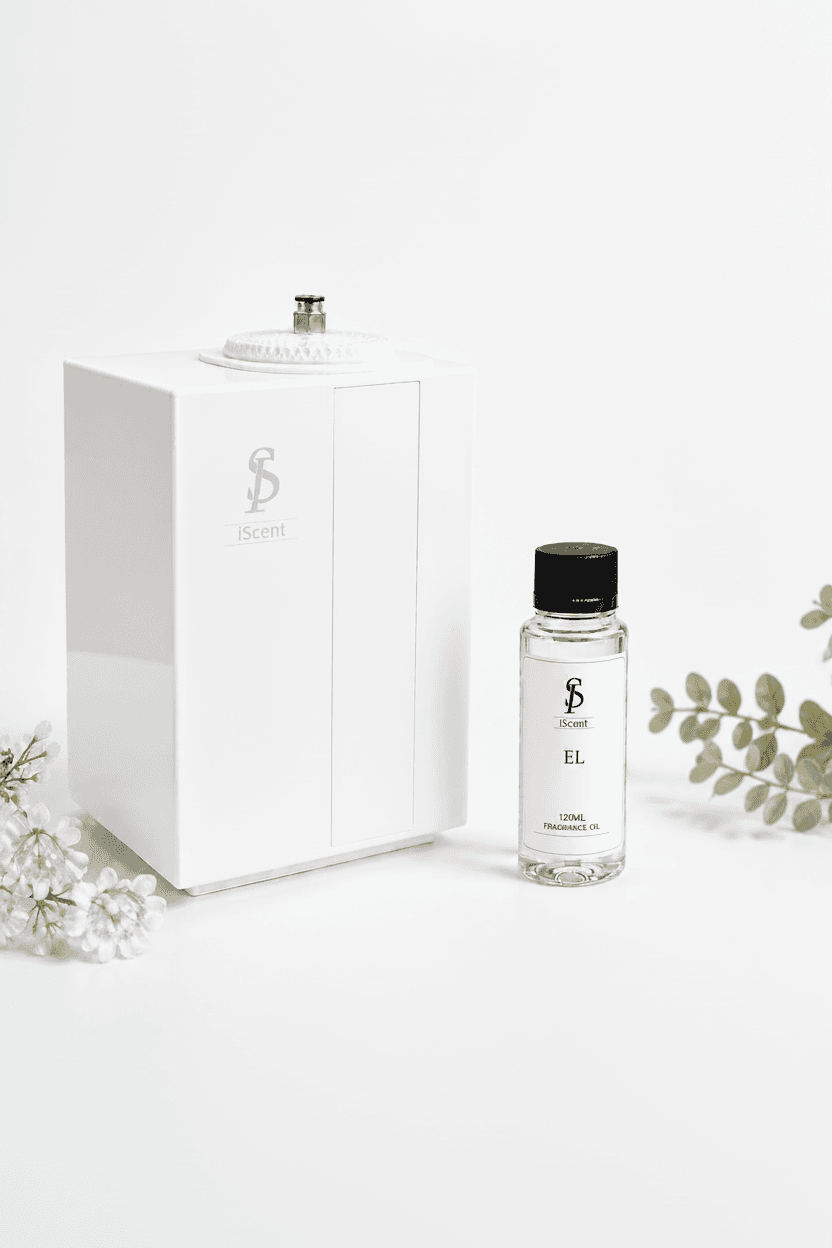
Choosing an exquisite aroma oil is only half the equation when designing an inviting atmosphere. Diffuser placement often makes a greater difference than the fragrance itself. Positioning your device thoughtfully ensures balanced aroma distribution without overpowering a single corner or wasting scent.
Here are the essential placement rules to help you get the most out of your scenting setup.
Work with Airflow
A common mistake is placing a diffuser in an isolated corner with stagnant air. Fragrance needs natural movement to travel across a room effectively. Position your unit near areas with gentle, consistent air currents, such as near an interior doorway, hallway entryway, or near the intake vent of your HVAC system.
Placing a compact unit like the iScent Mini near an entryway allows incoming foot traffic and natural drafts to circulate the scent throughout the room. However, avoid setting units directly in front of open windows or strong exhaust fans, as this can pull the fragrance straight outside before it circulates.
Height Matters
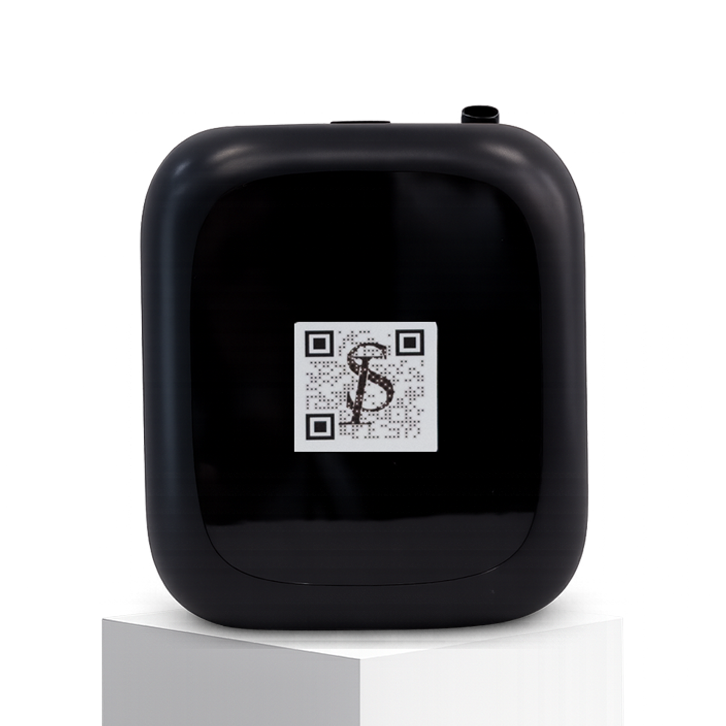
iScent Mini
Scent particles naturally interact with ambient temperature and airflow. If you place a unit directly on the floor, the aroma may settle low without reaching nose level, unless it is a floor-standing tower engineered for broad projection.
For tabletop units such as the iScent Tablet, the ideal position is usually waist-to-chest height—roughly three to four feet off the ground. Placing your unit on a console table, bookshelf, or credenza allows the micro-droplets to blend seamlessly into the ambient air space. If you prefer a freestanding design, a dedicated floor model like the Smart Scent Tower is crafted to disperse fragrance upward at an optimal angle for balanced coverage.
Distance from Surfaces
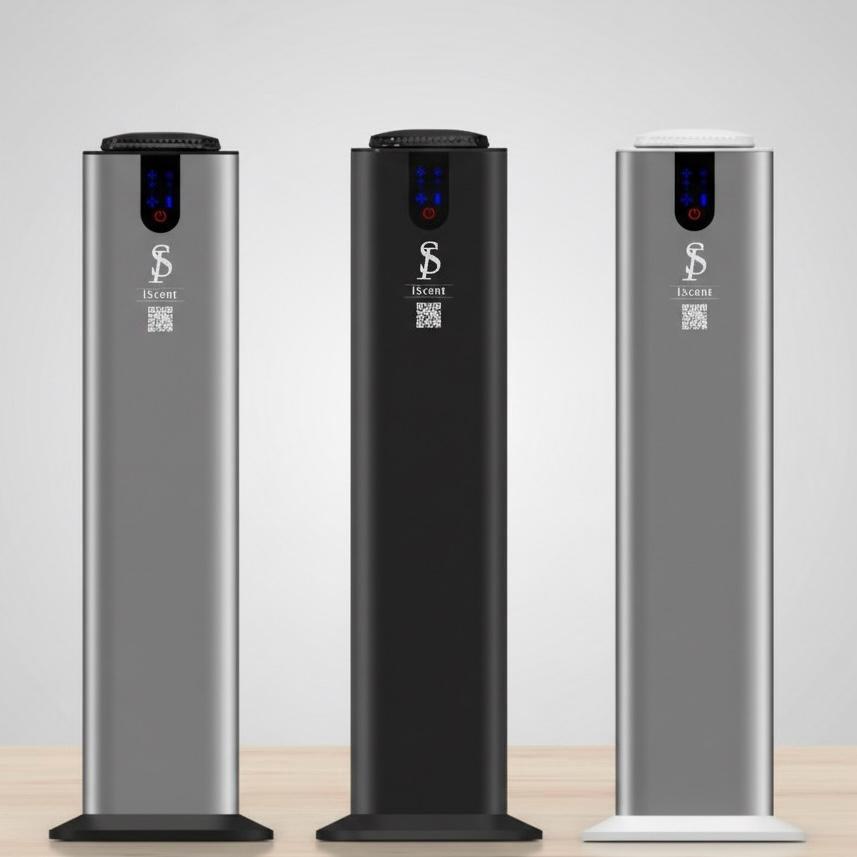
Smart Scent Tower
While cold-air diffusion produces an ultra-fine, dry mist, you should still maintain adequate clearance around the nozzle. Avoid tucking a diffuser directly beneath low-hanging shelves, cabinets, or delicate artwork.
Giving your device at least two to three feet of open vertical space ensures the mist disperses freely into the surrounding room rather than settling directly onto overhead materials. For robust, whole-space systems like the iScent Pro + Scent, sufficient clearance helps the aroma project outward smoothly across high-traffic living or commercial spaces.
Where Not to Put Your Diffuser
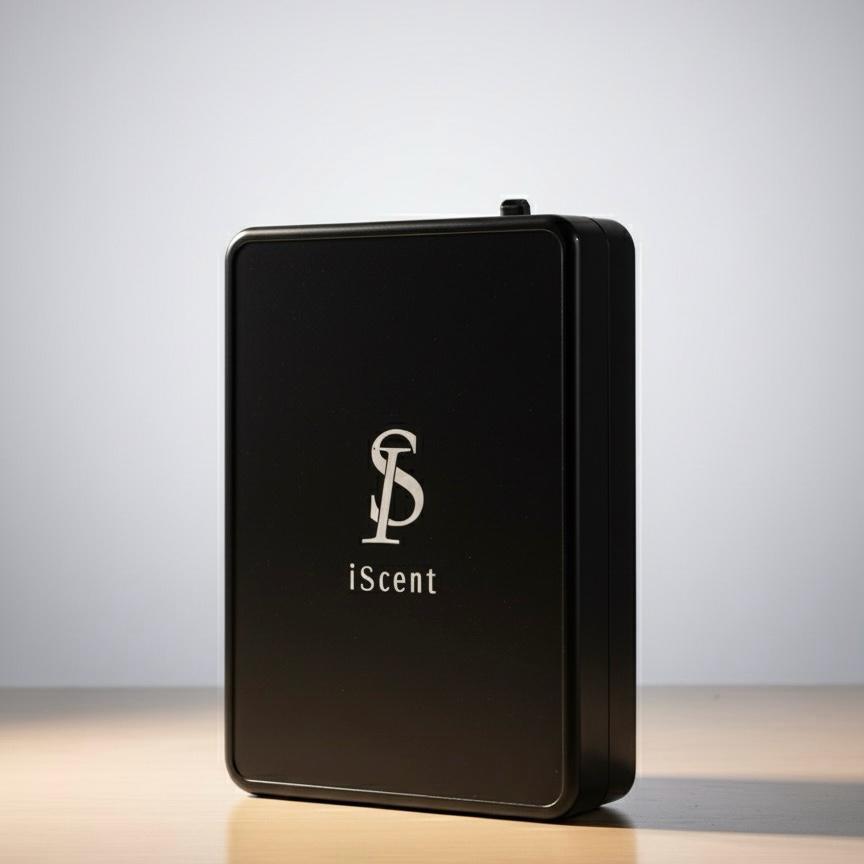
iScent Tablet
Knowing where to avoid placing your diffuser is just as important as finding the right spot. Steer clear of the following zones:
- Directly next to return vents or exhaust fans: These systems can pull the fragrance out of the room before it settles.
- Right beside heating elements or radiators: Excessive ambient heat can alter the delicate notes of fragrance oils.
- Enclosed nooks and deep corners: Stagnant pockets trap mist and prevent circulation.
- Immediately beside sleeping pillows: Placing a diffuser too close to where you sleep can overwhelm your senses overnight.
By matching the right location to your device, you create a seamless and welcoming scent experience throughout your environment.
Frequently Asked Questions
Can I place my scent diffuser on the floor?
Dedicated floor-standing models are designed for floor placement, but compact or tabletop units generally perform best when elevated to waist or chest height to aid natural circulation.
Should I place my diffuser near an air vent?
Placing a diffuser near gentle supply vents helps carry fragrance across the room. However, avoid placing it directly under powerful exhaust vents or open windows that draw air outside.
How far should a diffuser be from walls and furniture?
It is best to leave a few feet of open space above and around the nozzle so the mist can disperse freely into the ambient air without concentrating on overhead surfaces.