Why Hotel Lobbies Smell So Good: Scent Secrets
Discover the strategy behind hotel lobby scents and learn how boutique properties and rentals can create an unforgettable guest arrival experience.
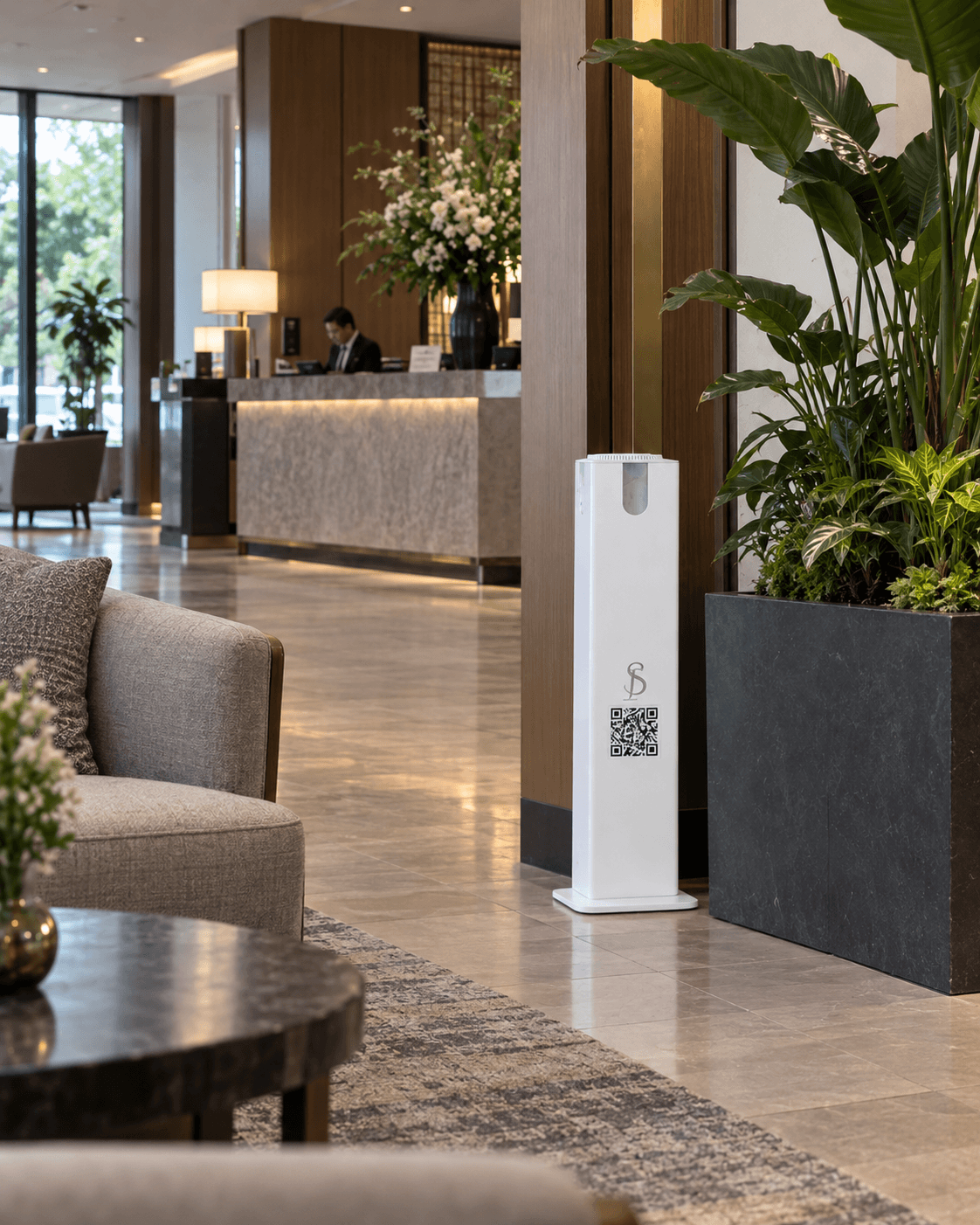
Step into a luxury hotel lobby, and you are immediately greeted by an inviting, distinct atmosphere. Long before you reach the front desk, the environment feels elevated, calm, and memorable. This reaction is deliberate. Behind every memorable hospitality arrival is a carefully planned scent program designed to build connection and comfort.
Scent is Part of the Brand
High-end hotels treat scent with the same importance as architectural lighting, bespoke furniture, and curated playlists. Scent bypasses the analytical parts of the brain and connects directly to emotion and memory. When a property introduces a signature fragrance, it creates an invisible brand signature.
World-class destinations often design blends that reflect their location and ethos. For example, guests seeking coastal freshness might encounter the earthy, luxurious notes found in [My Way - inspired by One Hotel Miami] Other iconic brands lean into timeless elegance with fragrances like [Hilton - Luxury Diffuser Oil] or the refined notes of [Ritz Diffuser Oil]. In each case, the scent reinforces the hotel's identity the moment a guest walks through the door.
Consistency is the Hard Part
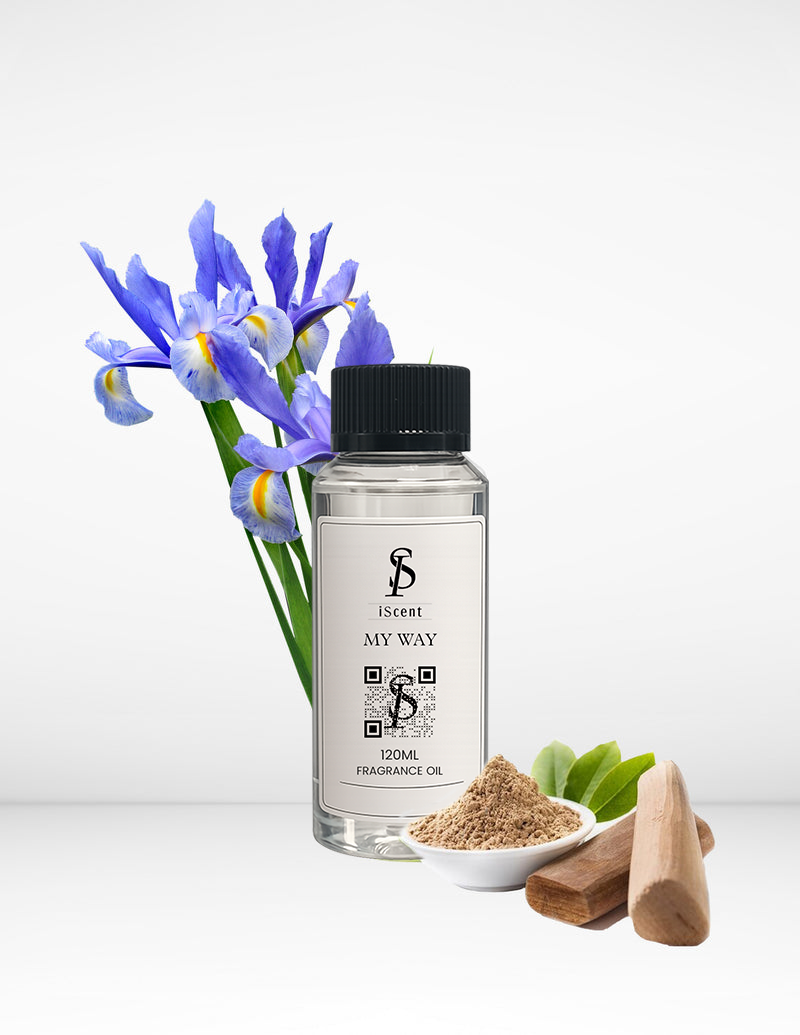
My Way - inspired by One Hotel Miami
A signature fragrance only works if the experience remains uniform. In commercial spaces, maintaining a steady ambiance without overwhelming visitors requires precision. Standard candles, reed diffusers, and aerosol sprays fall short because they disperse unevenly, fading quickly or pooling in small corners.
Hotels rely on cold-air diffusion technology. This process breaks fragrance oils into an ultra-fine dry mist that drifts naturally on ambient airflow, ensuring the fragrance remains subtle and evenly distributed from morning to night.
Bringing It to a Smaller Property
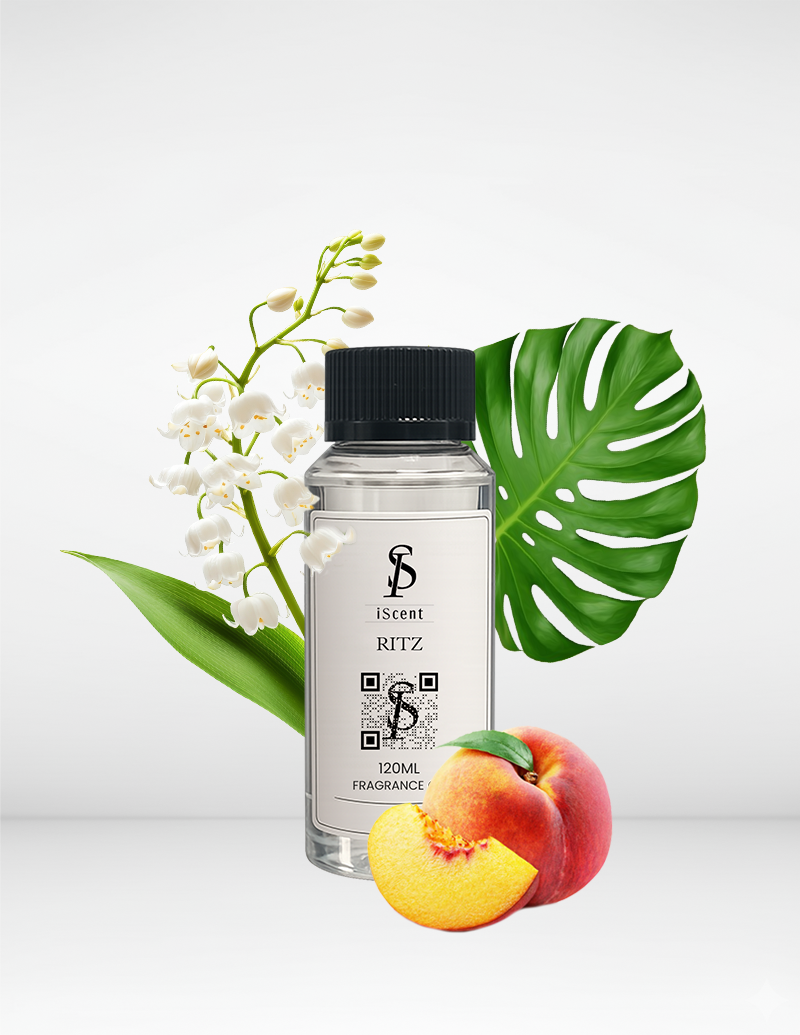
Ritz Diffuser Oil
You do not need a multi-story atrium to create a refined hospitality atmosphere. Boutique inns, bed-and-breakfasts, and short-term vacation rentals can implement the exact same sensory principles.
For smaller properties, the arrival zone is critical. Placing a standalone professional diffuser like the iscent pro diffuser in an entryway, living room, or reception area helps set an inviting tone from check-in. The goal is to provide a clean, luxurious welcome that feels intentional and well cared for, giving guests a sense of retreat the moment they arrive.
What to Avoid
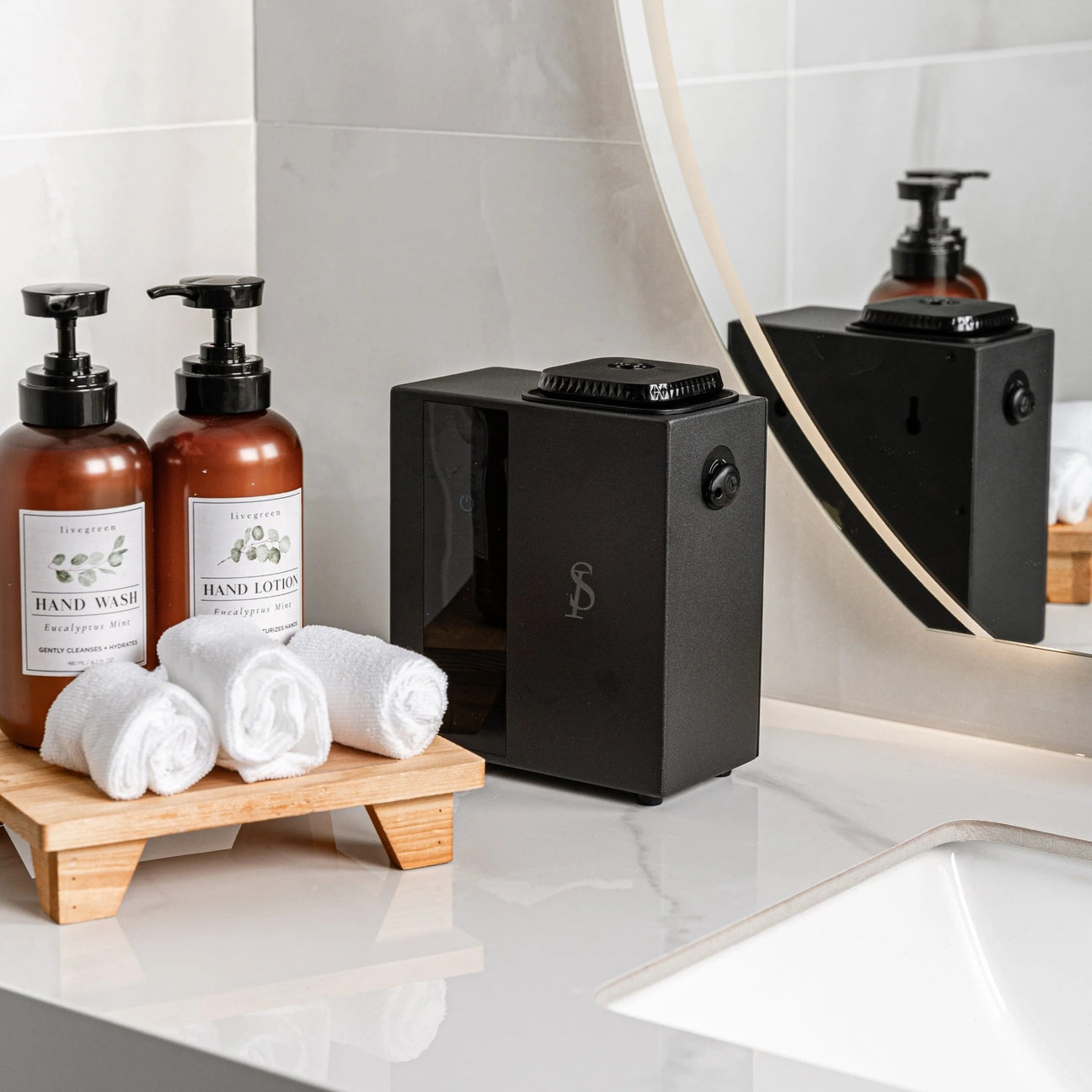
iscent pro
When curating a scent strategy for smaller properties or rentals, steer clear of these common missteps:
- Over-scenting: Ambient scent should whisper, not shout. If a guest notices the scent before taking off their coat, the intensity is likely set too high.
- Sweet, food-heavy fragrances: Vanilla cupcake or heavy berry fragrances feel casual and can trigger sensory fatigue. Stick to balanced woods, crisp linens, light florals, or delicate citrus.
- Masking bad odors: Scent diffusion is not a substitute for deep cleaning. Always resolve the source of mustiness or stale air before introducing ambient fragrance.
By approaching scent with restraint, quality oils, and consistent delivery, any host or property manager can replicate the luxury hotel welcome.
Frequently Asked Questions
Why do luxury hotels use scent diffusion?
Hotels use ambient scent diffusion to create emotional connections with guests, reinforce brand identity, and make public spaces feel polished and welcoming.
Can short-term rentals use commercial scent diffusers?
Yes. Standalone diffusers like cold-air towers allow vacation rentals and boutique spaces to maintain consistent, subtle fragrance without complex HVAC integration.
How do I prevent ambient fragrance from being too strong?
Use cold-air diffusers with adjustable intensity settings, run them on scheduled timers, and select balanced fragrance profiles featuring subtle woods, tea notes, or light botanicals.